I completed this project for Deep Trekker, a remarkable company that specializes in creating advanced underwater remote operated vehicles (ROVs) and submersible robots, engineered to tackle intricate missions. Their impressive product line includes various models, from the Revolution model featured in my video, to numerous others.
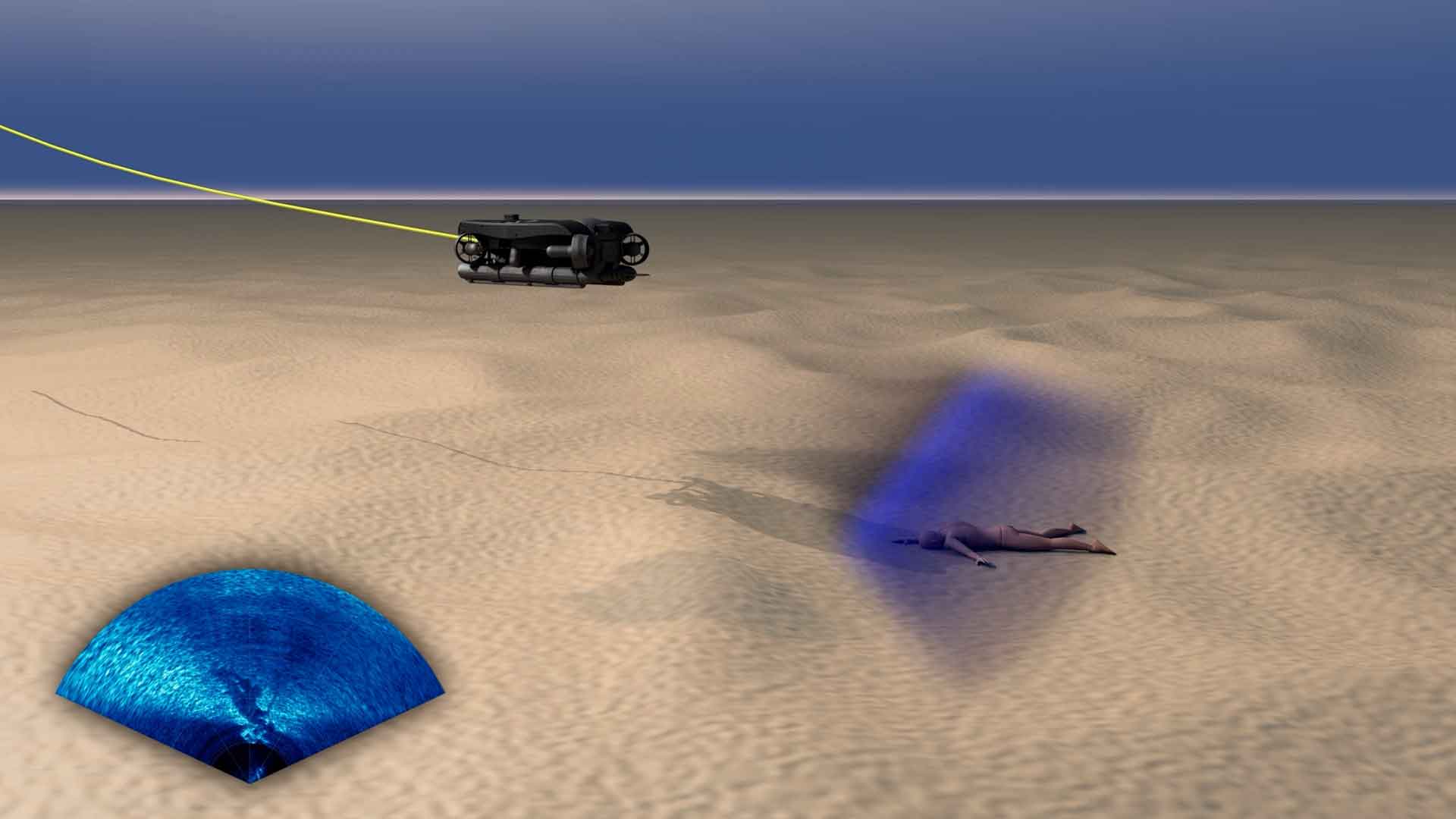
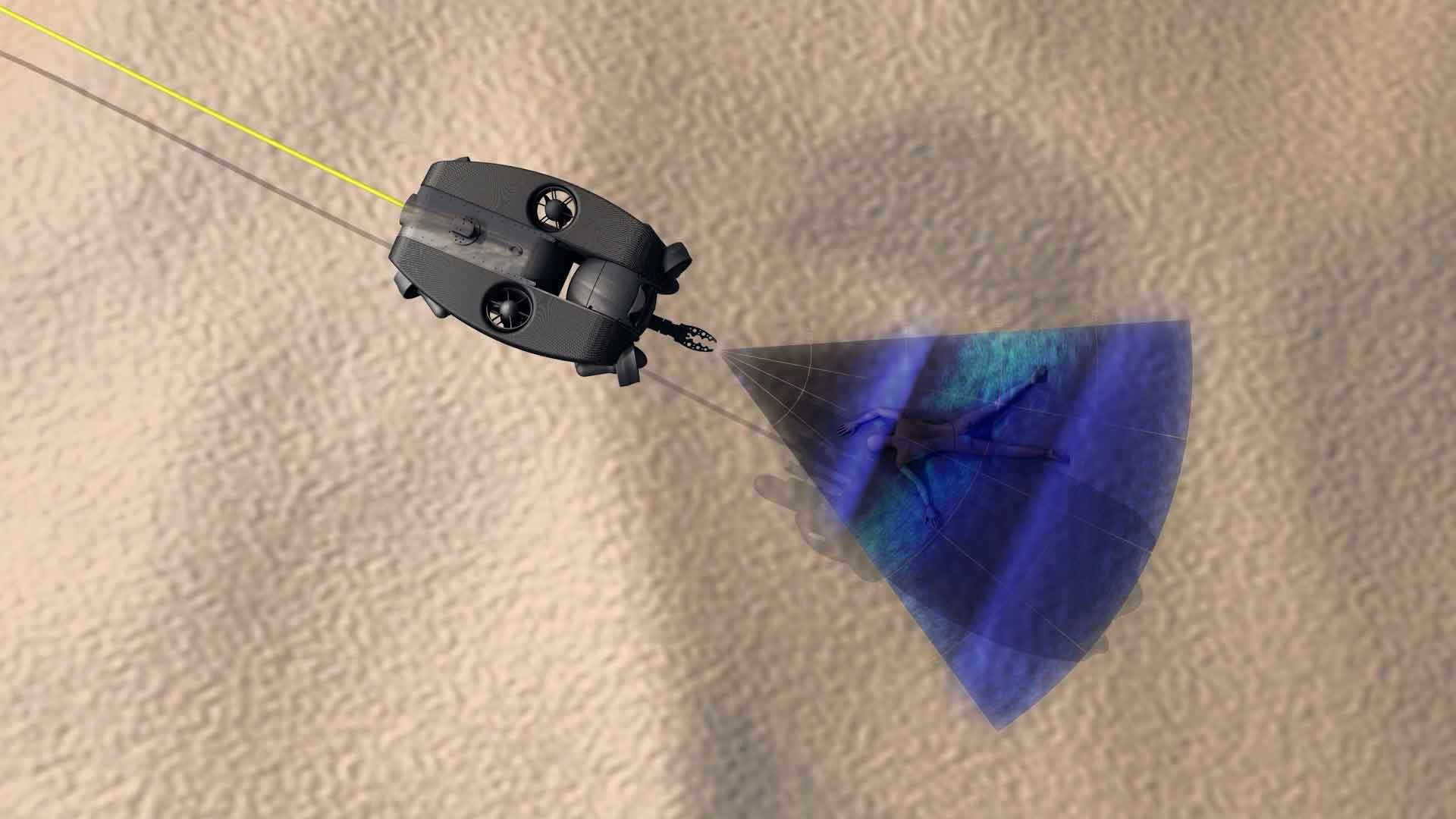
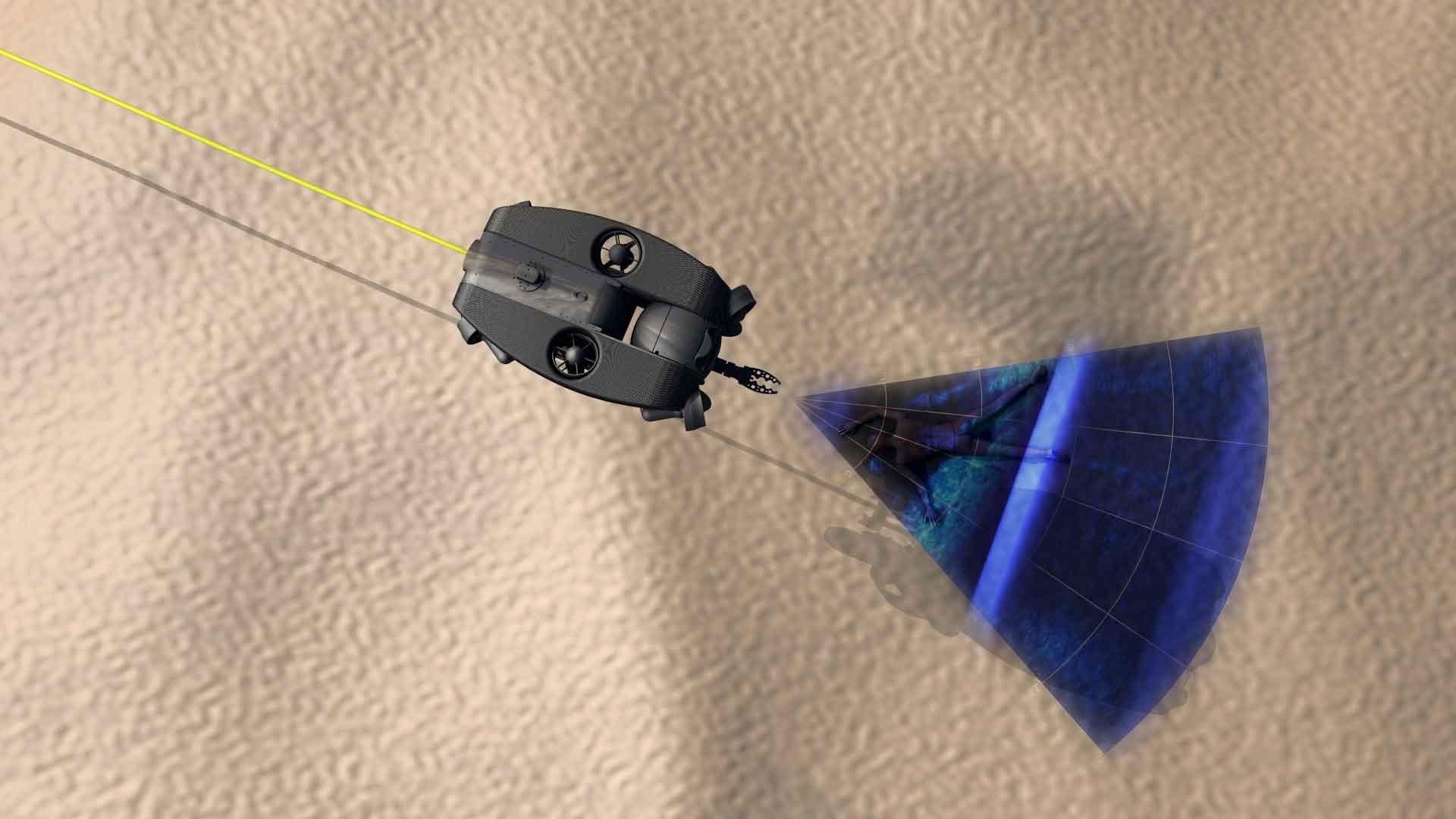
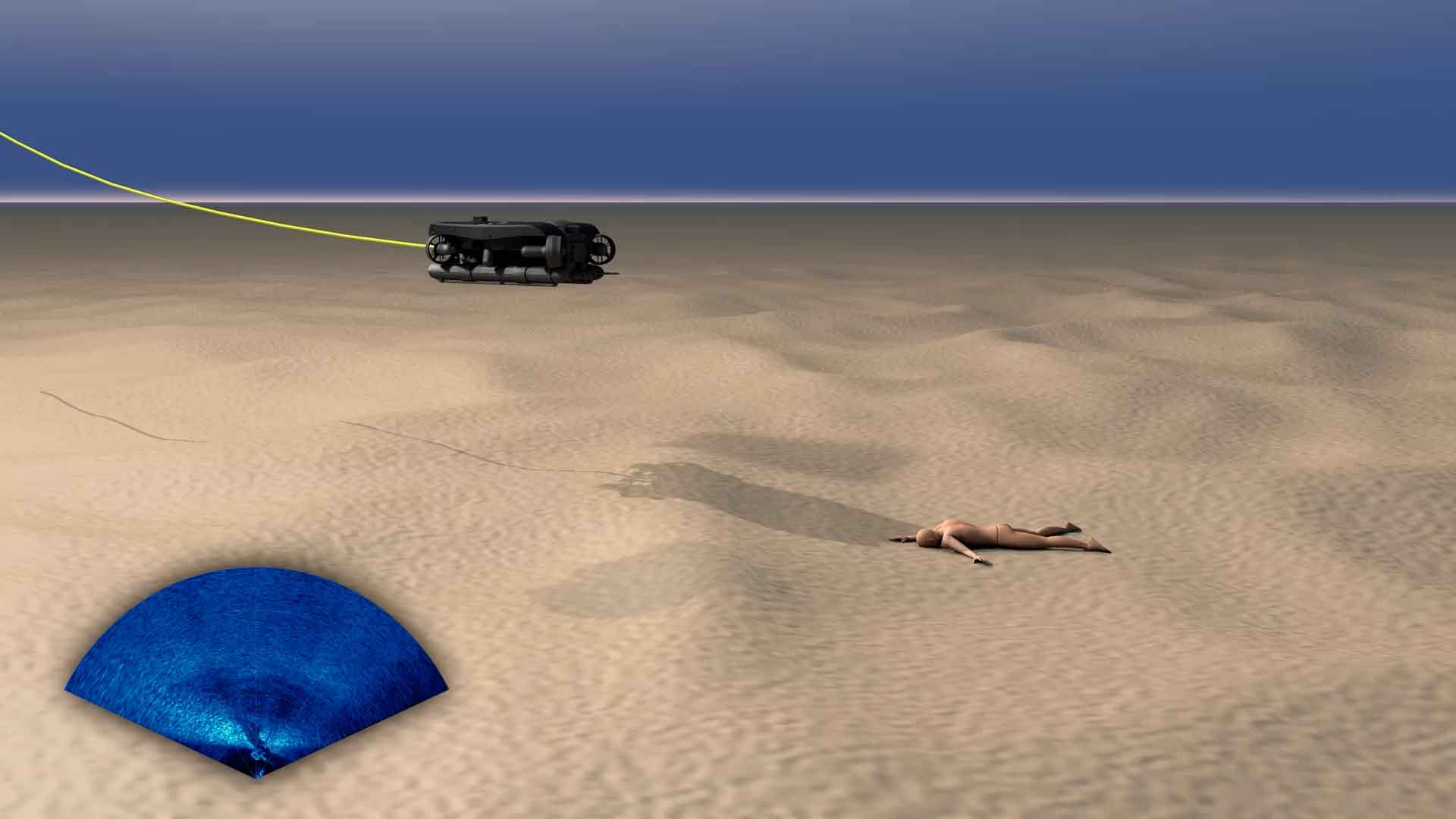
My assignment for this project was to produce a demonstration video showcasing the sonar module on Deep Trekker's Revolution model. The video would feature a 3D model of the ROV, which they provided, scanning an object on the ocean floor using sonar technology. My tasks included designing the scene, creating the 3D body model, tethering it to the ROV, and animating the entire process, including the propellers spinning, ROV maneuvering, and sonar scanning.
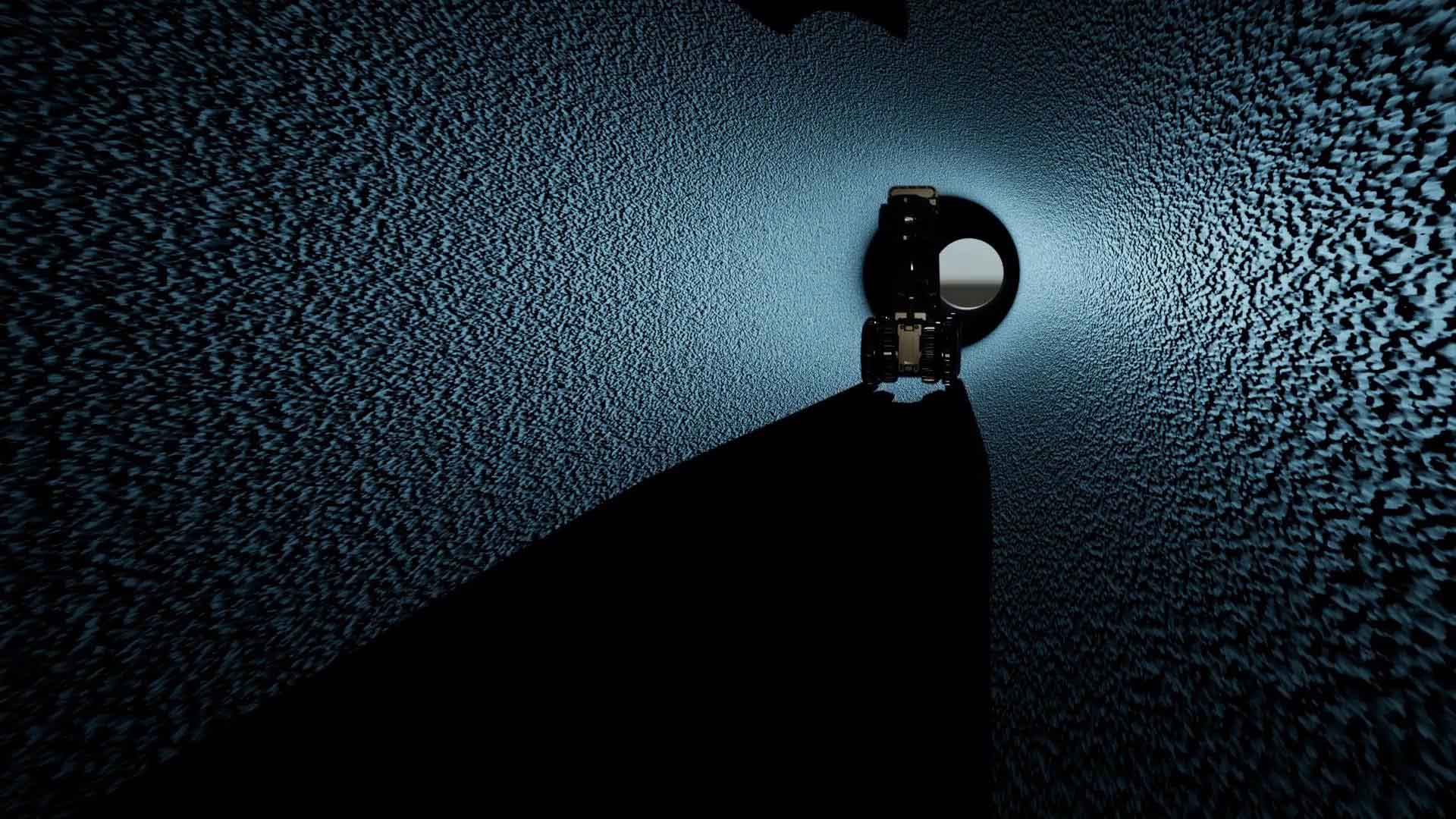
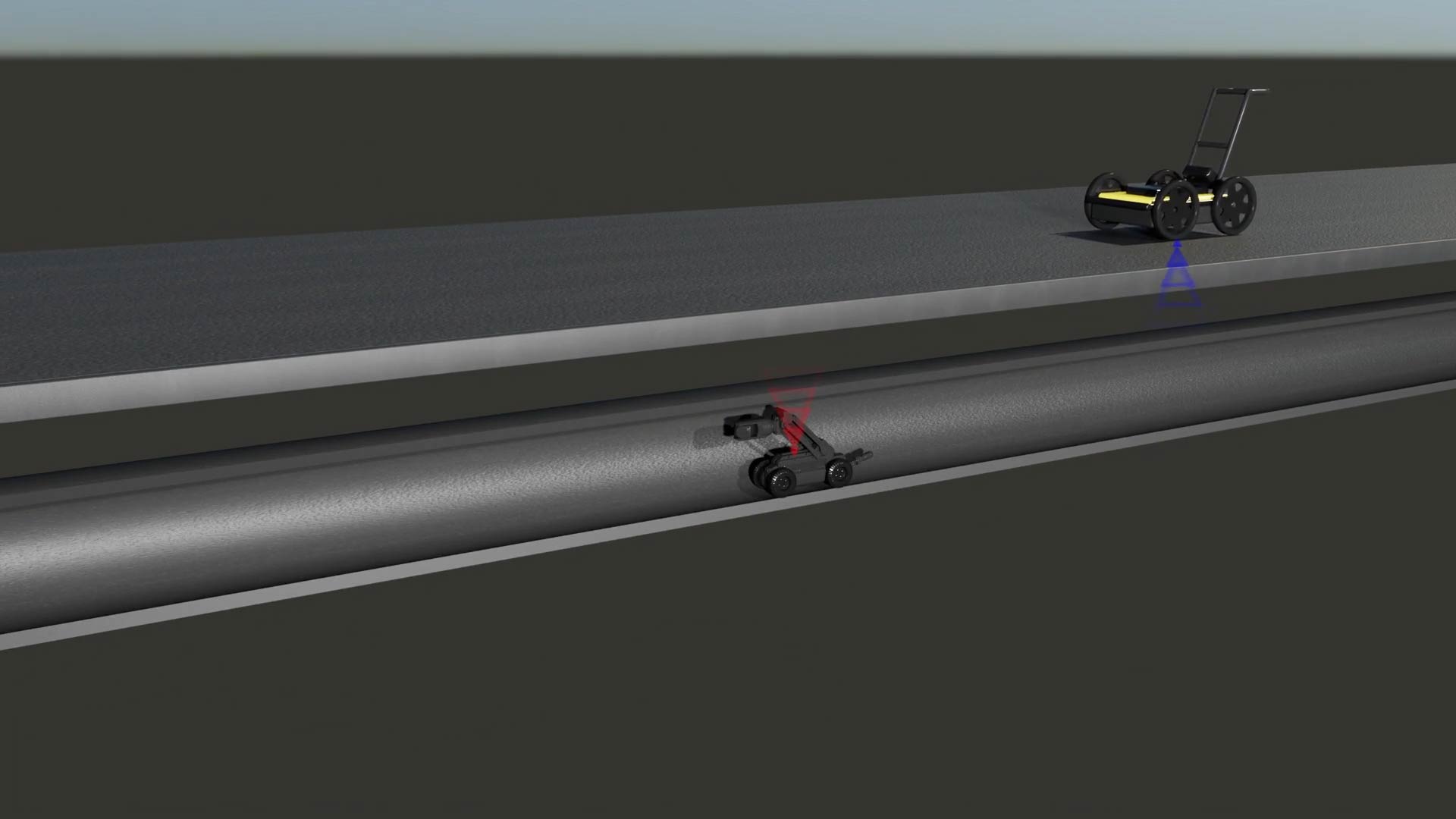
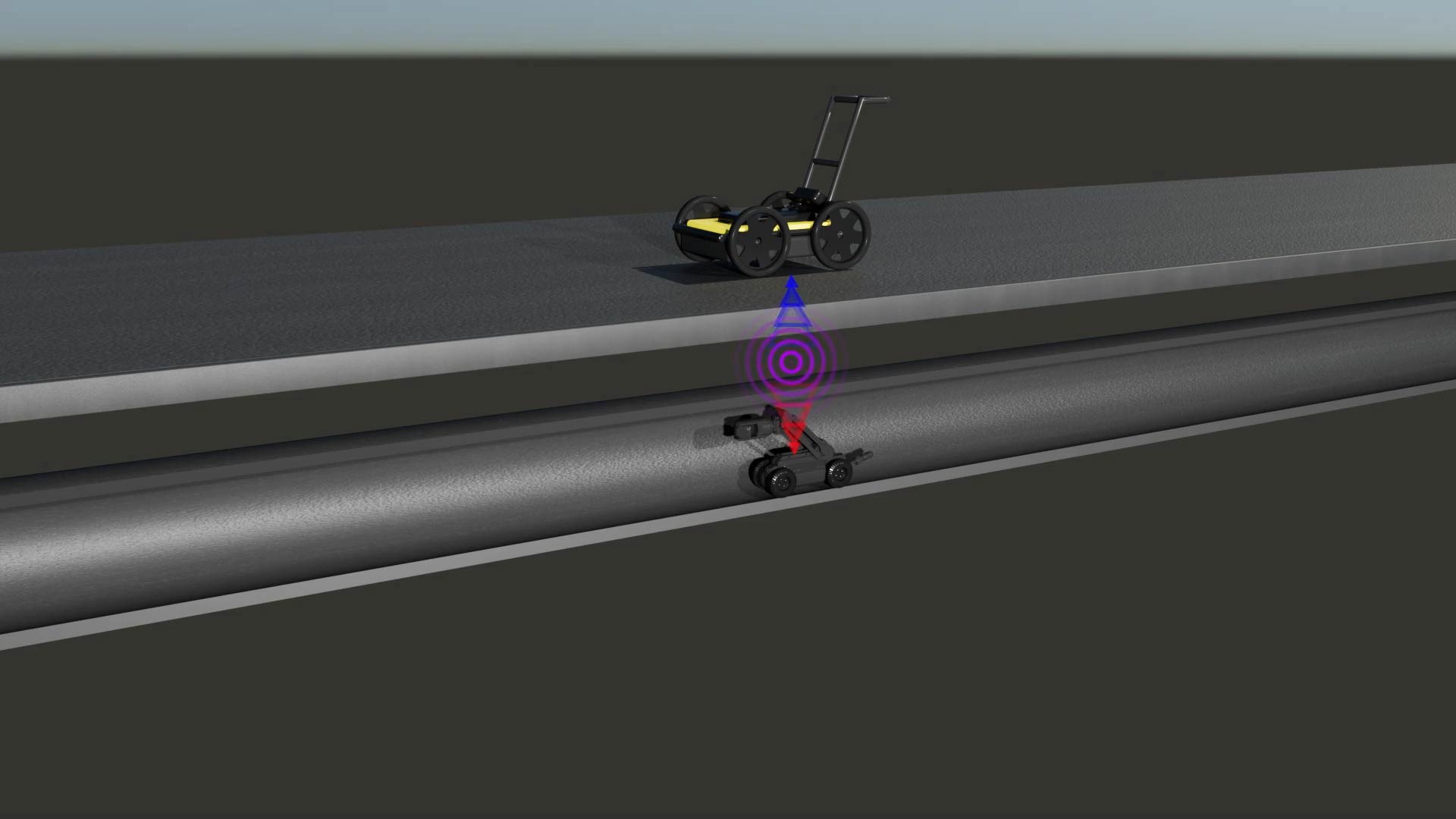
I was also tasked with creating another animation featuring their Pipe Crawler model. The point of the animation was to show how if the robot had got stuck or lost in a pipe, then you could locate it using a locator above on the surface. I challenged myself by creating this animation using the Redshift renderer rather just the Cinema 4D Render View. This allowed me to make the animation look much more real than the last, and the team was very pleased with the outcome.
To bring the projects to life, I employed Cinema 4D for all the 3D components and Adobe After Effects for the animations and overlays. Additionally, Deep Trekker supplied me with exceptional sonar footage, which I seamlessly integrated into the video, resulting in a highly polished final product.
Finally, I also created a little summer introduction animation for them that they could use for a youtube/instructional video.
Before commencing the project, I recognized the essentiality of using Cinema 4D and After Effects. With this in mind, I began by constructing the environments, which I then textured, followed by the ROV/Pipe Crawler itself. From there, I proceeded to animate the in any objects in motion, as well as lighting the scenes.
Once the 3D assets were fully rendered, I transitioned into After Effects, where I created all the animations for the final versions. Then, using meticulous tracking and keyframing techniques, I made everything fit together and animate seamlessly. The final stage involved fine-tuning the animation, implementing any additional tweaks or adjustments required to meet Deep Trekker's specifications, resulting in a final product that exceeded their expectations.
As stated, the only software used for this was Cinema 4D for all the 3D assets and Adobe After Effects for everything else.